How Many Keywords Per Page for SEO: The 2026 Guide
The question how many keywords per page for seo is frequently asked as if the answer is a fixed number. It isn’t. That framing belongs to an older version of search where counting phrases mattered more than covering a topic well.
The better question is this: how should a page use keywords to signal relevance, intent, and authority without narrowing itself into a corner? That question matters even more now because you’re no longer optimizing only for Google. You’re also writing for systems that synthesize answers, compare sources, and surface brands inside AI-generated responses.
A lot of older advice still treats keyword planning like a placement exercise. Pick a phrase, repeat it enough, then move on. That approach can still produce pages that look optimized on paper and underperform in practice. If you want a grounded starting point, Raven SEO has a useful overview on how many keywords for SEO, but the primary impact arises from how those keywords map to intent and topic depth.
The Wrong Question SEOs Keep Asking About Keywords
“How many” sounds practical. It’s also incomplete.
A page doesn’t rank because it hit a keyword quota. A page ranks because it gives search engines a clear topical signal and gives users a satisfying answer. That’s why teams that obsess over counts often miss the larger issue. They’ve chosen a phrase, but they haven’t built the page around the full problem the searcher wants solved.
The old version of SEO trained people to think in slots. One page, one phrase, one exact-match target. Modern search is less literal. Search systems interpret meaning, relationships between terms, and whether your page covers the surrounding context that a searcher expects.
That shift changes how you plan content.
Instead of asking how many keywords a page should include, ask:
- What is the core intent? Is the user trying to learn, compare, buy, or contact?
- What subtopics prove completeness? Definitions, use cases, objections, alternatives, process steps, pricing context.
- What language would a real searcher use? Not just one phrase, but the cluster around it.
- What page type fits the query? A blog post, service page, product page, location page, or category page.
Practical rule: If your page needs many unrelated keywords to feel “optimized,” the problem usually isn’t density. The problem is that the page lacks a clear job.
This matters for AI search too. Language models don’t reward pages for repeating one term more often. They tend to favor pages that explain a topic in complete, well-structured language. A narrow keyword-first page may still rank in classic search for a while. It may not become the source an AI system wants to draw from.
The goal now is simple. Build pages that are focused enough to be clear and broad enough to be useful.
From Keyword Stuffing to Semantic Understanding
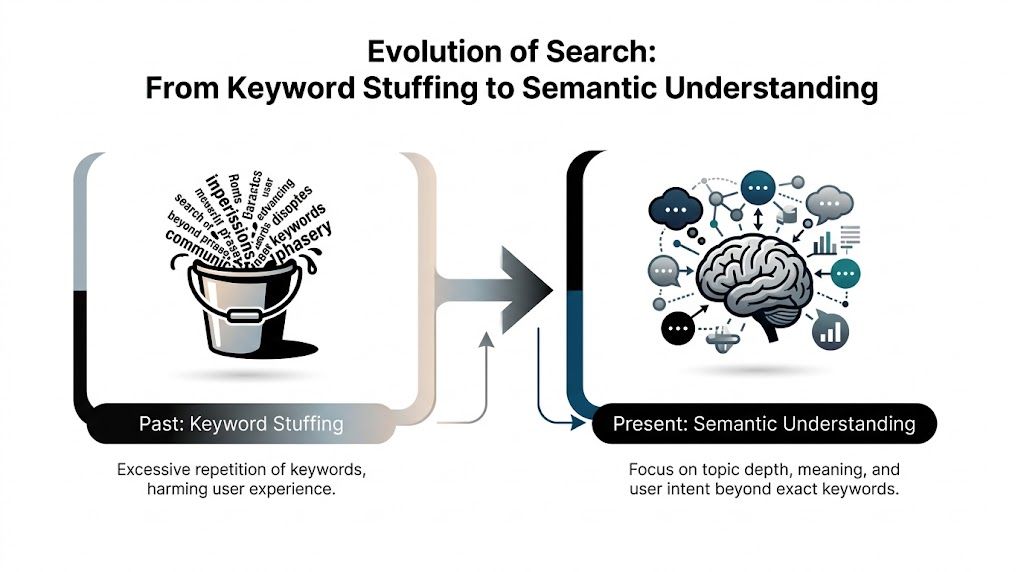
SEO used to reward repetition more than judgment. If a keyword mattered, people put it everywhere. Titles, footers, body copy, alt text, sometimes in ways no human would tolerate. Search engines got better, and that playbook aged badly.
The core best practice today is much cleaner. Target one primary keyword per page, supported by 2-3 secondary keywords, a guideline reaffirmed in 2025 SEO best practices. That approach became standard as search engines moved beyond exact matching and toward semantic understanding, including Google’s Hummingbird update in 2013.
What each keyword type actually does
Think of a page like a library shelf.
The primary keyword is the label on the shelf. It tells search engines and readers what the page is mainly about. If your page targets “enterprise SEO platform,” that phrase anchors the document.
The secondary keywords are the related categories next to it. They help define the shelf more precisely. On that same page, they might include ideas like technical audits, rank tracking, content workflows, or reporting.
Long-tail keywords work differently. They represent the specific questions or situations people search when they’re closer to a decision or need a detailed answer. These often belong in subheadings, FAQs, examples, and body copy instead of awkwardly forcing them into every major element.
Then versus now
Older SEO asked, “Did you use the phrase enough?”
Current SEO asks, “Did you cover the topic clearly enough?”
That’s why people still search for concepts like Latent Semantic Indexing (LSI) SEO, even if the industry often uses the term loosely. What they’re really trying to understand is semantic relevance. Search engines don’t just look for an exact phrase. They evaluate whether the page uses the surrounding language that naturally belongs to the topic.
A practical content workflow helps. Teams building pages for modern search often start with the primary keyword, then map supporting concepts, questions, entities, and use cases before drafting. A useful reference point for that process is this guide to AI-driven content optimization, especially if your team is trying to balance search visibility with readability.
Strong pages don’t read like they were optimized. They read like they were written by someone who understands the topic and the searcher’s problem.
That’s the standard now. Relevance comes from topic coverage, structure, and intent alignment, not from hammering one phrase into every sentence.
How to Structure a Page for Topical Authority
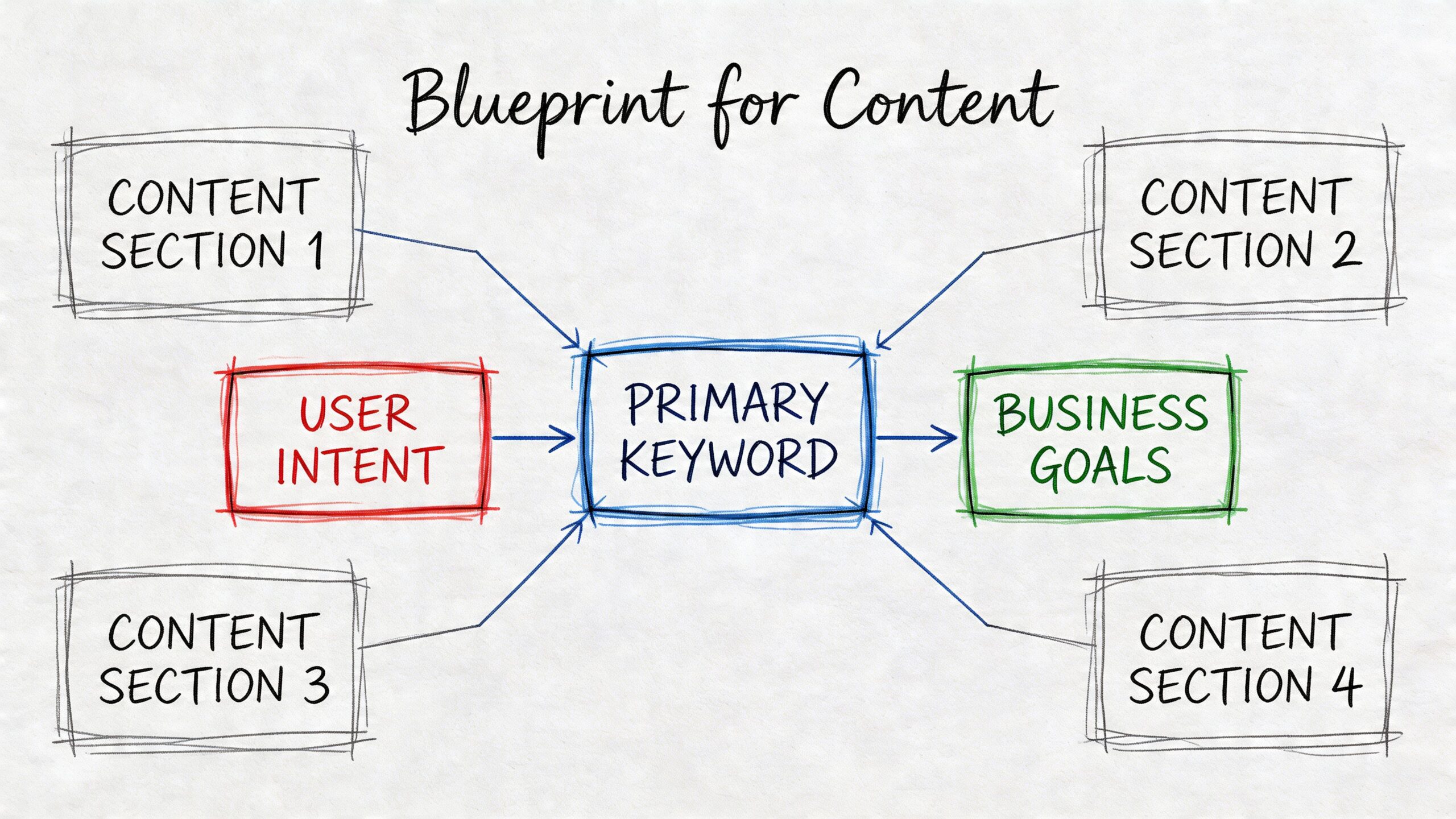
Most weak SEO pages fail before the writing starts. They pick a keyword, but they don’t define the page’s job. A strong page starts with intent, then builds a keyword structure around that intent.
Start with one clear target
Choose one primary keyword that matches both user intent and business value. If the query suggests learning, build an educational page. If it suggests hiring or buying, use a service or product page. Don’t force a blog post into a query that needs a commercial landing page.
Once the primary term is set, add 2-3 secondary keywords that help explain the same topic from nearby angles. These shouldn’t create a second page inside the first page. They should reinforce the main subject.
A simple page blueprint looks like this:
Title and H1
Use the primary keyword naturally. Don’t overwork it.Opening section
Confirm the user is in the right place. State the problem and the outcome.Body sections
Use H2s and H3s to cover supporting questions, use cases, objections, and comparisons.Media and alt text
Add visuals that clarify the topic. Describe them accurately.Conclusion or CTA
Help the visitor take the next step that matches intent.
Use density as a guardrail, not a script
Keyword density still has value when used as a warning system rather than a target. The accepted benchmark is 1-2%, or roughly 1-2 instances per 100 words, according to Express Writers’ keyword density guidance. The same source notes that top 10 Google results average 1.5% density for primary terms, correlating with 2.5x more organic traffic than pages flagged for keyword stuffing.
That doesn’t mean you should write to a calculator. It means if your draft sounds repetitive, the numbers may confirm what the reader already feels.
A useful standard is this:
- Put the primary keyword in the right places. Title, H1, opening copy, and where it fits naturally later.
- Use secondary terms in headings and body sections. They should broaden context, not compete for dominance.
- Let synonyms do work. Repetition isn’t the only way to be relevant.
- Read the draft aloud. If the wording sounds forced, search engines will likely detect the same pattern.
For teams that need a planning model before drafting, this content strategy example is a practical way to think about page architecture rather than isolated keyword placement.
Editorial check: If removing a repeated keyword improves the sentence, remove it.
Topical authority doesn’t come from volume. It comes from a page where every section earns its place.
Keyword Strategy Examples for Different Content Types
The easiest way to understand keyword structure is to see it in context. The same principles apply across page types, but the execution changes depending on the page’s job.
B2B blog post
A blog post should answer a problem and expand into related questions. Say the primary keyword is content operations workflow.
Supporting terms could include editorial process, approval workflow, content governance, and handoff between SEO and content teams. Those aren’t separate topics. They’re the pieces a reader expects inside the main topic.
A workable outline might look like this:
- H1 Content Operations Workflow for Growing Marketing Teams
- H2 Why content workflows break as teams scale
- H2 Core stages in an editorial process
- H3 Briefing and approvals
- H3 SEO handoff and publishing
- H2 How to document governance rules
- H2 Common bottlenecks and fixes
That page can also absorb long-tail phrases naturally in subheads and examples. The key is that every term supports one intent: helping the reader design or improve a workflow.
Local service page
A local service page needs sharper commercial intent. Suppose the primary keyword is emergency plumber in Austin.
Secondary terms may include 24-hour plumber, burst pipe repair, water leak service, and same-day plumbing help. The copy should stay transactional and local. This isn’t the place for a broad educational essay on the history of plumbing systems.
A local outline could look like this:
| Page element | Example use |
|---|---|
| H1 | Emergency Plumber in Austin |
| Intro | Immediate availability, service area, urgent problems handled |
| H2 | Burst pipe and leak repair |
| H2 | What to expect when you call |
| H2 | Areas we serve in Austin |
| H2 | FAQs about urgent plumbing service |
This page works when it’s direct. It should help the user decide fast.
Ecommerce product page
Product pages often fail because teams either underwrite them or stuff them with generic terms. Imagine the primary keyword is standing desk converter.
Supporting terms might include adjustable desk riser, monitor height setup, sit-stand workstation, and desk converter for dual monitors. Those belong in product details, use cases, compatibility notes, and FAQs.
A practical structure:
- Product title Standing Desk Converter
- Short description Who it’s for and what problem it solves
- H2 Key features and adjustment range
- H2 Best fit for single and dual-monitor setups
- H2 Assembly and desk compatibility
- H2 Common questions before purchase
One mistake teams make across all three content types is forcing one page to do everything. If the user wants to compare options, build comparison content. If the user wants to buy, build a product page. If the user wants to learn, publish a guide.
For teams using AI to accelerate outlines and drafts, this guide on how to use AI for SEO is useful because it focuses on making AI output structurally helpful instead of keyword-heavy.
Optimizing Content for AI Search and Language Models
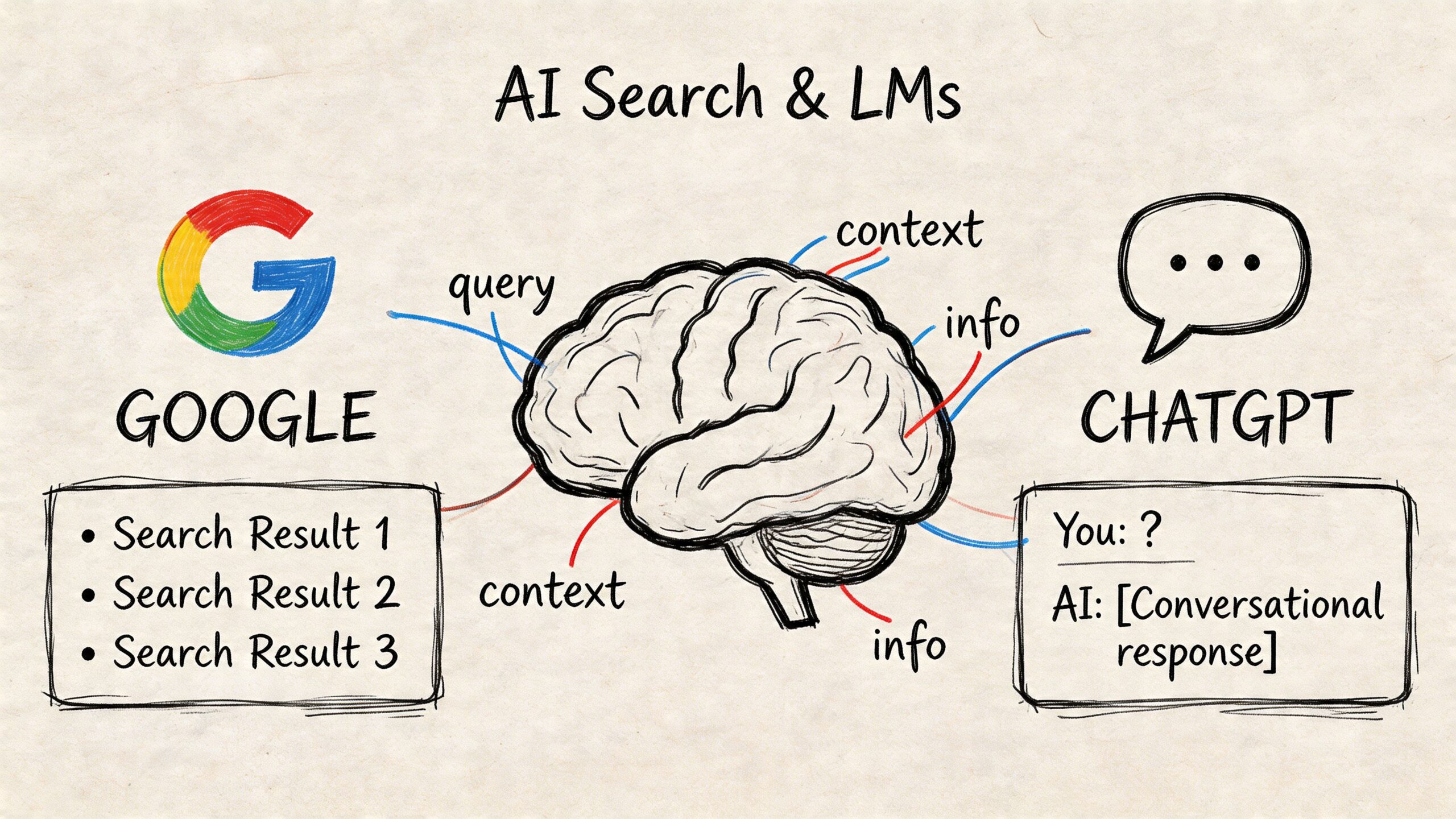
AI search changes the keyword conversation. Google still returns lists of links. ChatGPT, Perplexity, Claude, and similar systems often return synthesized answers. That means your page is no longer competing only to rank. It’s competing to become part of the answer.
What changes in AI search
Traditional SEO often starts with one primary term and a tight supporting set. AI systems appear to reward stronger topical breadth. According to SEOptimer’s review of AI-oriented keyword strategy, brands using broad topic clusters with 10+ semantic keywords gain 3x higher mention rates in AI responses compared to pages focused on only 1-4 keywords.
That doesn’t mean you should go back to stuffing. It means AI visibility favors pages that answer the main query plus the surrounding questions, alternatives, definitions, objections, and context.
Here’s the practical difference:
- For classic search, clarity of topic and on-page focus still matter.
- For AI search, breadth of coverage and source-quality signals matter more.
- For both, shallow content struggles.
A page built only to rank for one phrase can win a SERP click and still lose the AI citation battle.
How to write for mentionability
Pages that get picked up in AI-generated answers tend to be easier to extract from. They define terms clearly, answer direct questions, include comparisons, and organize ideas in a way a model can summarize.
That means your content should do things like:
- State the core answer early. Don’t bury the point.
- Use question-led subheadings. They map well to prompt behavior.
- Cover adjacent subtopics. Explain trade-offs, alternatives, and edge cases.
- Keep claims precise. Vague copy is harder to trust and harder to reuse.
- Write with retrieval in mind. Clear sections are easier for systems to pull from.
This short explainer adds useful context on SEO for LLM, especially if your team still treats AI visibility as an extension of ordinary ranking reports.
A quick visual helps show how these systems differ in practice:
Why tracking AI visibility is now part of SEO
One reason many teams lag here is measurement. Google gives you rankings, impressions, and clicks. AI systems are less transparent. You need to know whether your brand is being mentioned, how it’s being framed, which sources are being used, and where competitors appear instead of you.
That’s why AI visibility tracking has become a competitive edge. It turns AI search from a black box into something you can audit. When a team can see recurring prompts, wording patterns, and source dependencies, they can adjust content strategy, PR, comparison pages, documentation, and expert commentary with much more precision.
The keyword question doesn’t disappear in AI search. It expands. You still need focus, but you also need enough topical range to be selected as a trustworthy source.
Common Keyword Mistakes That Kill Your SEO Efforts
Most keyword mistakes aren’t technical. They’re strategic. Teams create pages in isolation, over-optimize copy, or target a term without checking what kind of page the search wants.
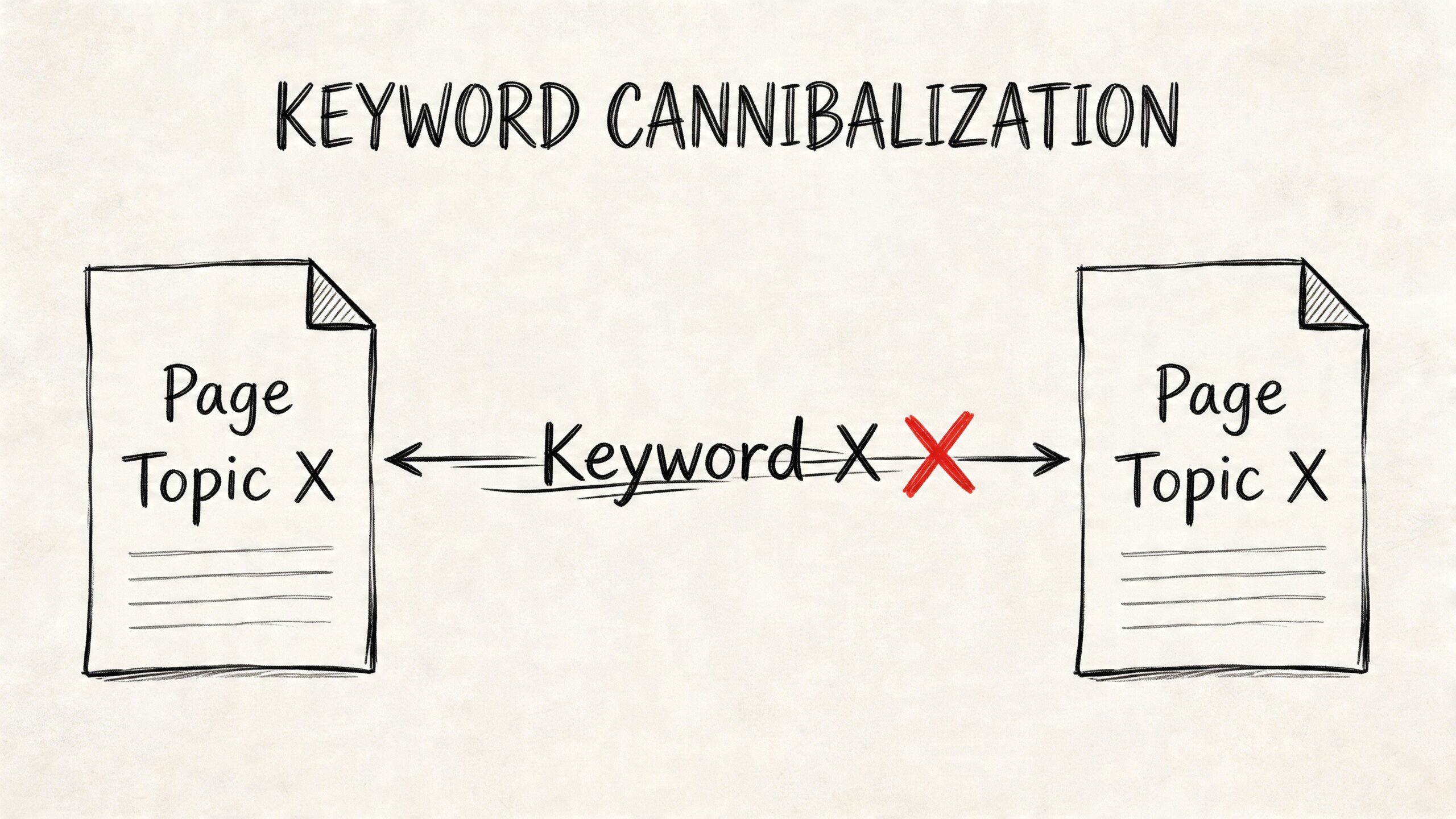
Cannibalization isn’t always obvious
Keyword cannibalization usually happens when multiple pages chase the same intent. A blog post, service page, and comparison page all drift toward one term, and Google gets mixed signals about which page should rank.
The fix is usually one of these:
- Consolidate overlapping pages when they serve the same intent
- Differentiate page roles so each one owns a distinct angle
- Strengthen internal linking to clarify which page is primary
There’s also an important counterpoint. A rigid one-page-one-phrase mindset can become its own problem. According to Wincher’s analysis of keyword cannibalization and intent breadth, pages optimized for broad user intent and ranking for over 400 keyword variations outperform single-focus pages by 40% in organic traffic in competitive niches.
That doesn’t mean every page should target everything. It means narrowing a page too aggressively can limit what it could rank for when the broader intent is clearly connected.
Stuffing still shows up in modern drafts
Today, stuffing often comes from content templates and AI-generated drafts rather than old-school spam tactics. The page repeats the exact phrase in every heading, in every image alt text, and every short paragraph.
Watch for signs like:
- Identical phrasing across multiple headings
- Unnatural repetition in the introduction
- Keyword-loaded FAQs that don’t add value
- Alt text written for bots instead of accessibility
If a sentence sounds like it was written to satisfy a crawler, rewrite it for a reader.
Intent mismatch wastes the whole page
A page can be perfectly optimized and still fail if the page type is wrong. Searchers looking for software pricing don’t want a thought-leadership article. Searchers looking for a definition don’t want a product page.
Audit your underperforming pages by asking:
- Does this page match the dominant search intent?
- Does it cover the expected subtopics?
- Is another page on the site competing for the same need?
Most SEO cleanup work starts there, not in a keyword density tool.
Answering Your Top Keyword Strategy Questions
Should every page have just one keyword
Every page should have one primary focus, yes. That’s different from saying it should only be relevant to one phrase. Strong pages usually rank for many related searches because they cover one intent thoroughly.
Do keywords still matter if AI search is growing
Yes. Keywords still help define topic, language, and intent. What changes is how rigidly you use them. AI systems push teams toward better structure, deeper coverage, and clearer explanations.
Does keyword density still matter in 2026
It matters as a diagnostic, not as a writing goal. If density is too high, your copy often sounds repetitive. If the page never uses the language searchers expect, relevance may be weak. Use density to check for extremes.
What about video and multimedia content
The same logic applies. Give videos clear titles, descriptions, chapters, and surrounding page copy. Keywords help with framing, but topic coverage and usefulness still drive results.
What tools belong in a modern keyword workflow
Use a mix. Traditional SEO tools help with query research and SERP analysis. Content optimization tools help with topical coverage. AI visibility tools help you understand how language models mention brands, summarize topics, and choose sources.
If your team wants to measure how AI platforms describe your brand, compare your visibility against competitors, and see which sources models rely on, promptposition gives you a practical way to track that shift. It helps marketing and brand teams turn AI search visibility, sentiment, and positioning across ChatGPT, Claude, Gemini, and Perplexity into something they can monitor and improve.